Fashion in 2025 is about clarity. After years of chaos—between the pandemic reset, digital experimentation, and sustainability debates—the industry seems to have found its rhythm again. The message is balance: between luxury and logic, nostalgia and innovation, minimalism and play.This year, individuality isn’t just encouraged, it’s expected. Designers aren’t dictating rules; they’re offering ideas. And people are styling those ideas their own way—bold, quiet, imperfect, and real. Here’s what’s shaping wardrobes, runways, and street style in 2025.
1. Quiet Luxury, Louder Than Ever
The quiet luxury wave that started in 2023 hasn’t faded—it’s evolved. The focus is on subtlety, craftsmanship, and intention. Clothing that whispers quality instead of screaming status. The kind of pieces that only those who understand, know.This year, it’s less about brand recognition and more about timeless construction: clean silhouettes, soft tailoring, and the tactile pleasure of fine fabrics. Think The Row’s effortless minimalism, Loro Piana’s precision, or Jil Sander’s understated authority. Quiet luxury isn’t about looking rich; it’s about feeling composed.
2. Technology Meets Tailoringttt
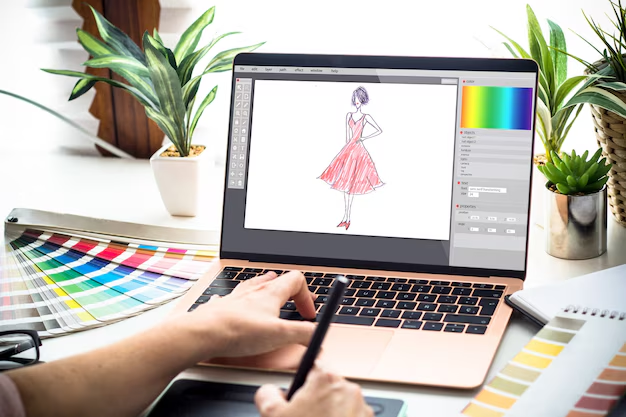
2025 is where fashion and function finally shake hands. Smart textiles are entering mainstream wardrobes—self-heating jackets, responsive sportswear, and temperature-regulating fabrics designed for urban life. Techwear is no longer niche; it’s practical and stylish.Digital fashion also continues to rise. Brands are experimenting with augmented reality fittings, virtual wardrobes, and NFT-linked couture drops. The boundary between physical and digital is fading fast, and personal style now exists in both worlds.
3. Sustainability as Standard
Sustainability is no longer a selling point—it’s the expectation. The conversation has matured beyond slogans into systems. Brands are investing in closed-loop production, carbon-neutral logistics, and fully traceable supply chains.Recycled and plant-based materials are everywhere: mycelium leather, regenerated nylon, and upcycled denim are becoming the norm. Consumers are choosing timelessness over novelty, and fast fashion’s grip is finally loosening.Thrift culture, repair studios, and clothing rental platforms are part of this shift. Wearing vintage or reworked garments isn’t just ethical—it’s cool again.
4. Gender-Fluid Fashion Finds Its Flow
Gender boundaries in fashion have dissolved into something much more interesting: fluidity. The 2025 silhouette belongs to no one and everyone. Boxy blazers, sheer shirts, wide trousers, and flowing skirts appear across collections, worn by anyone who wants them.Designers are focusing on comfort and freedom rather than conformity. This isn’t about shock value anymore; it’s about inclusivity that feels natural. The best-dressed people this year don’t “fit” a gendered category—they define their own.
5. Accessories That Speak First
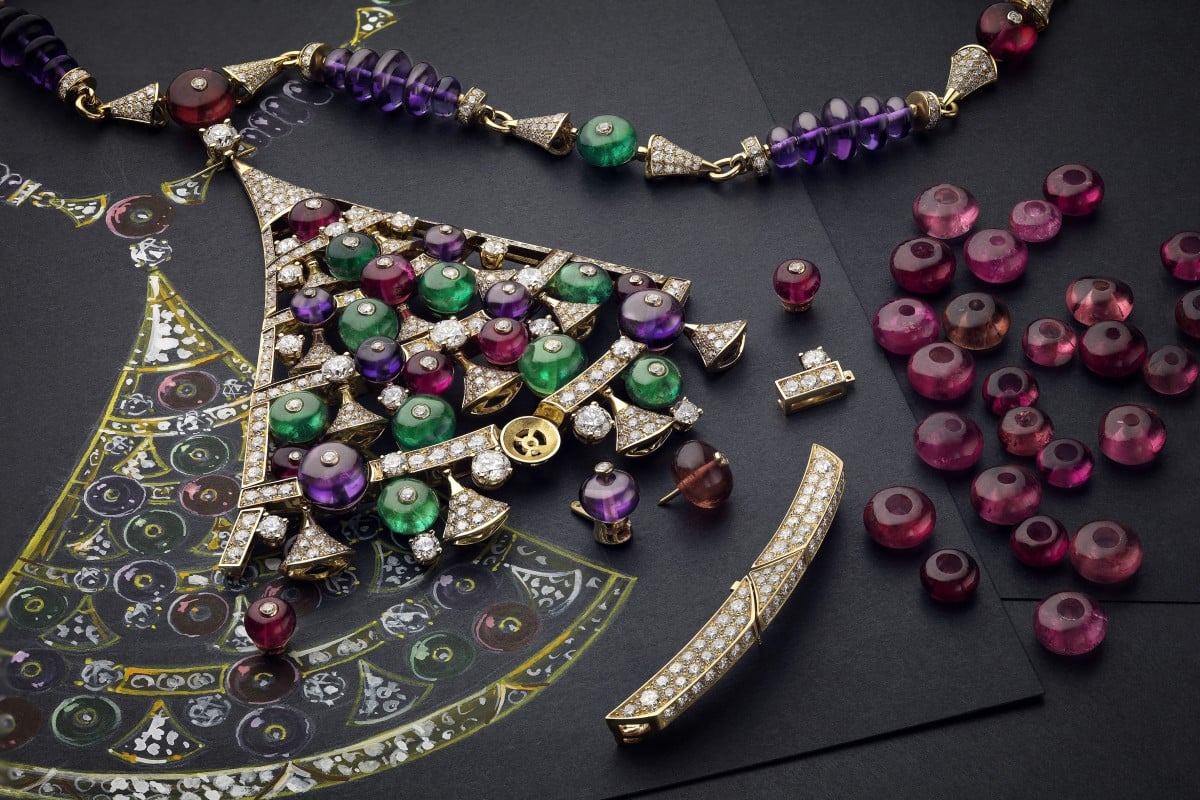
Accessories have taken the lead role in personal style. Oversized earrings, sculptural bags, bold belts, and striking eyewear are the punctuation marks of every outfit.The trend is less about matching and more about storytelling. Think chunky metallic cuffs paired with a minimal dress, or a vivid, asymmetric tote that becomes the centerpiece. Accessories now carry emotion—they’re not add-ons, they’re declarations.
6. Nostalgia Reloaded
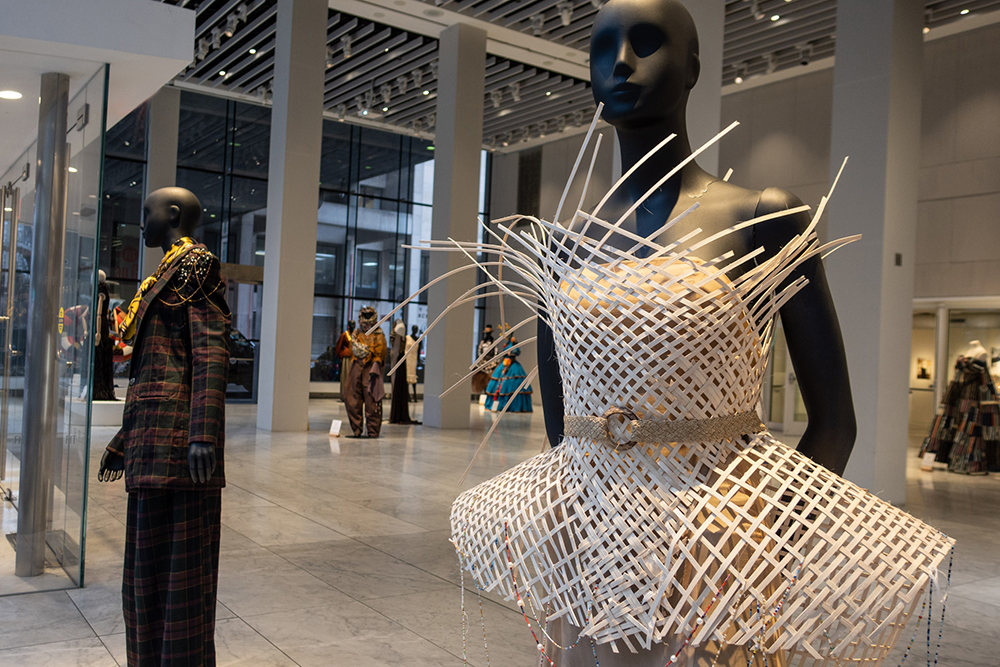
Y2K nostalgia still lingers, but it’s more refined. The low-rise trousers, metallic fabrics, and butterfly motifs are returning with structure and restraint. Designers are reinterpreting the early-2000s aesthetic through a grown-up lens: shorter hemlines balanced by tailored jackets, shimmer offset by sleek minimalism.We’re also seeing subtle nods to the 1990s and early 2010s—cargo skirts, minimalist sandals, and tech-core silhouettes—but with better fabrics and a modern attitude. Nostalgia in 2025 is less about imitation and more about reinterpretation.
7. Monochrome Power Dressing
Monochrome dressing is dominating wardrobes again, but not in the old corporate sense. This time it’s about intention and simplicity. Wearing one color head to toe signals confidence and ease.Neutrals like beige, cream, camel, and charcoal still reign, but bolder choices deep green, midnight blue, and burgundy are taking over editorials and red carpets. Texture mixing keeps the look dynamic: silk against wool, leather beside linen. It’s subtle, but striking.
8. Art on the Runway
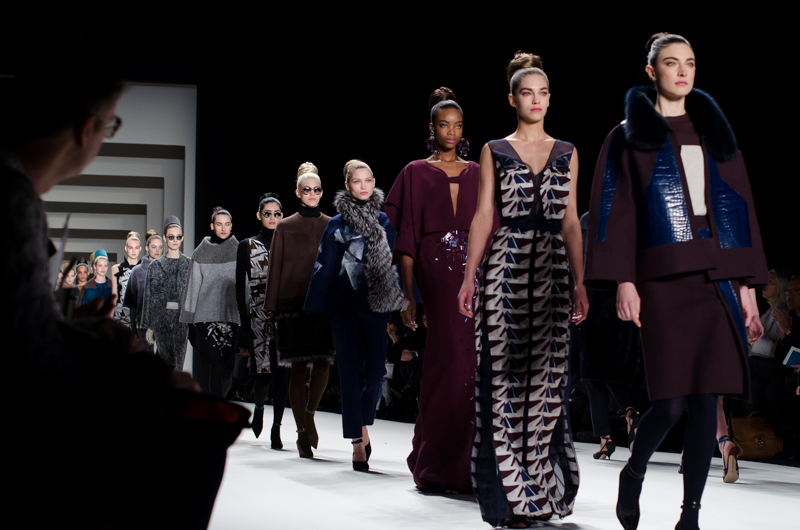
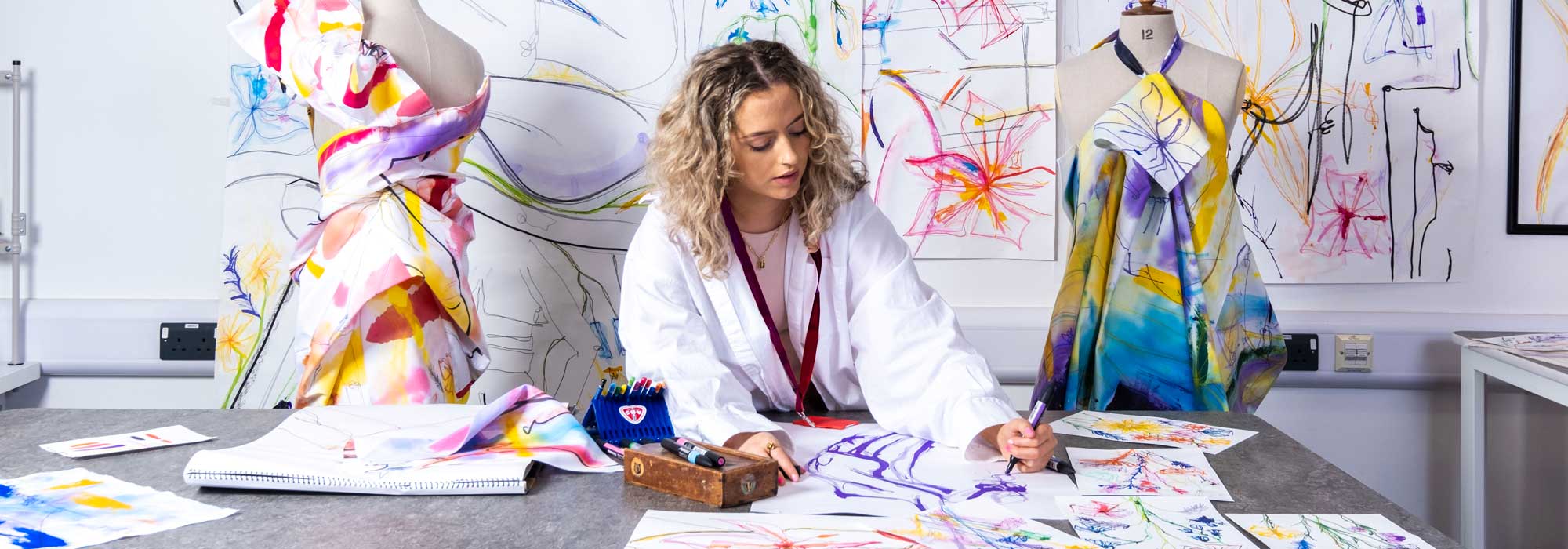
Art has always inspired fashion, but in 2025 the relationship feels more like collaboration than imitation. Designers are working directly with painters, sculptors, and digital artists to produce truly unique collections.Expect garments with hand-painted prints, 3D embroidery, or sculptural draping that feels like wearable installation art. The result is a sense of creative rebellion fashion that doesn’t just follow trends but starts conversations.Even on the high street, art-inspired prints and shapes are thriving, proving that expression is accessible to everyone.
9. The New Functional Footwear
Comfort is now a design principle, not an afterthought. Footwear this year merges ergonomic design with architectural beauty. Think adaptive heels that shift pressure points, sneakers that mold to your gait, or boots with modular soles.Chunky silhouettes continue, but the aesthetics have matured—sleek lines, muted colors, and innovative materials. Performance tech meets minimalist design, offering style without sacrifice.
10. Authenticity Is the New Aesthetic
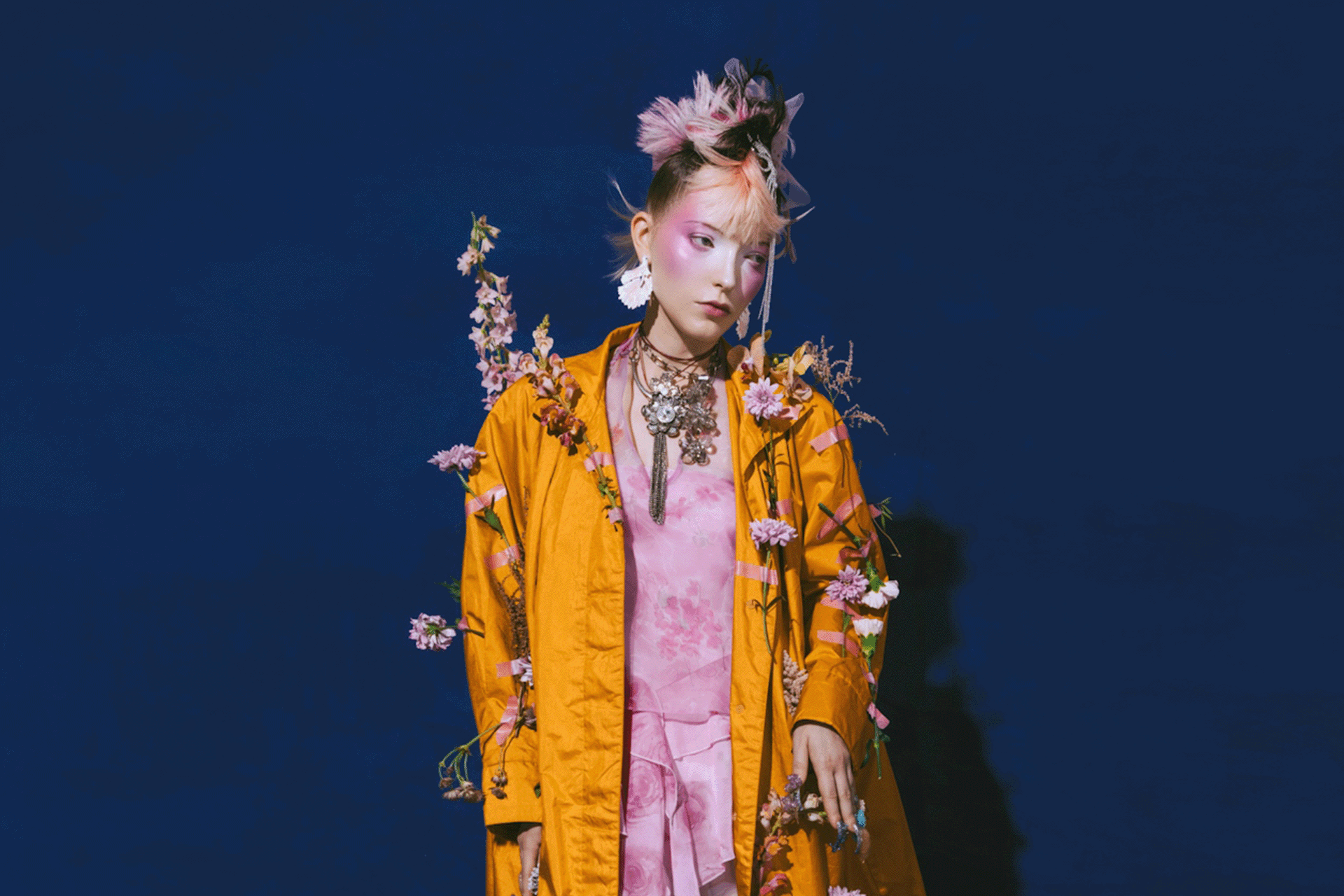
If there’s one unifying thread through all these trends, it’s authenticity. People are dressing for themselves, not for algorithms. Social media still drives discovery, but the real movement is about personal narrative.The best looks in 2025 aren’t necessarily the most polished—they’re the most honest. Mixing vintage with designer, local with global, classic with experimental—that’s where style feels alive.
Final Take
2025’s fashion landscape is intelligent, grounded, and quietly radical. The focus has shifted from showing off to showing up in well-made pieces, sustainable choices, and authentic expression.Trends no longer dictate individuality; they enhance it. Whether you’re dressing in quiet neutrals or futuristic techwear, what matters is the intention behind the outfit.Fashion has come full circle back to being personal again.