
Introduction
The intricacies of the human mind often lead to the spirals of overthinking. While contemplation and reflection undoubtedly fuel creativity and growth, excessive thinking can captivate our minds, resulting in anxiety, stress, and emotional turmoil. Fortunately, age-old Japanese techniques, honed over centuries, provide profound insights and tools to manage overthinking. Rooted in a rich cultural tapestry, these techniques prioritize simplicity, mindfulness, and connection to the present.
1. Zen Meditation (Zazen)
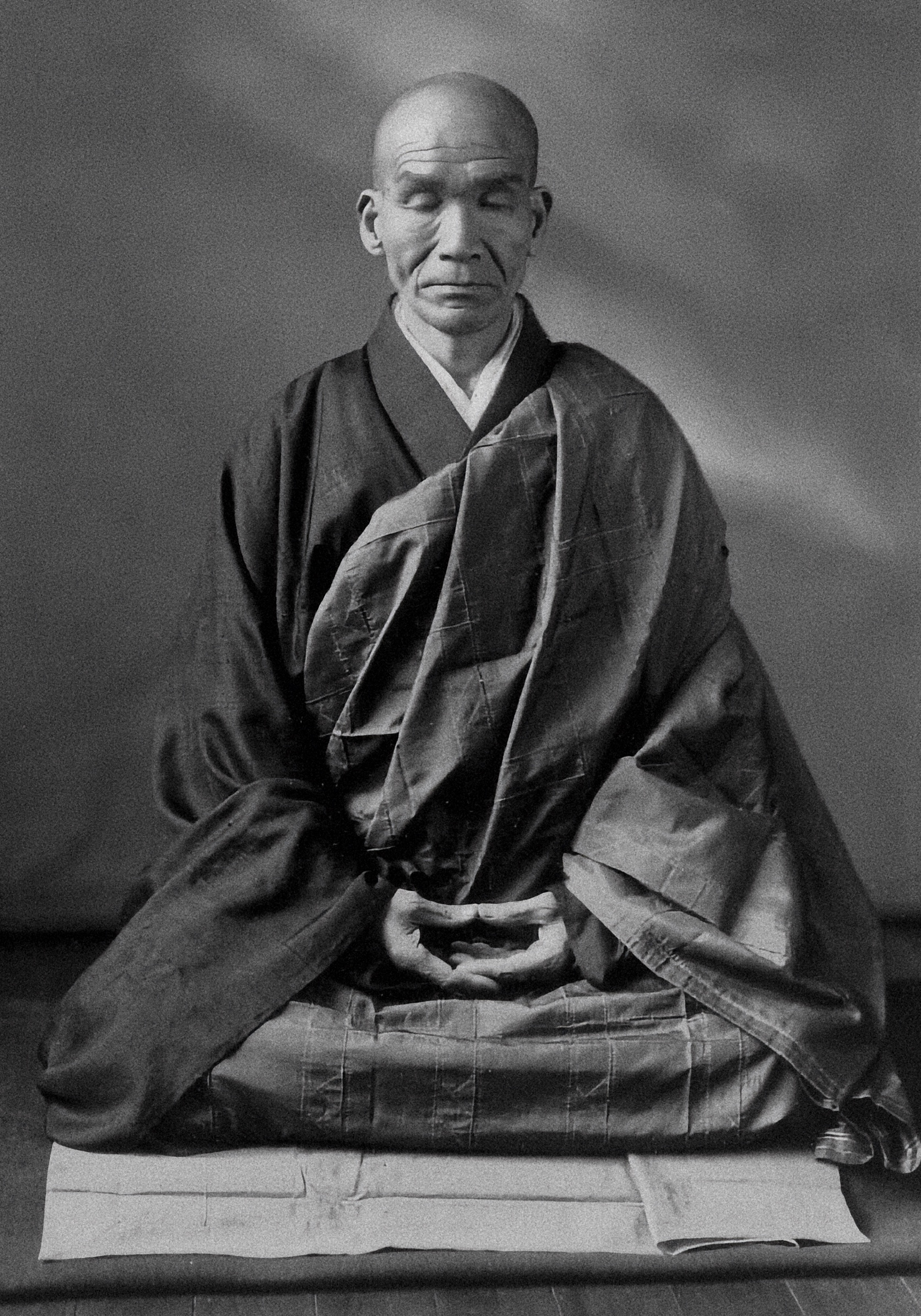
Zen meditation, commonly known as Zazen, is a foundational practice in Zen Buddhism. Central to its philosophy is the art of simply "being," emphasizing mindfulness and deliberate focus on the present moment. Instead of becoming ensnared in the cyclical nature of thoughts, Zazen encourages practitioners to observe thoughts without attachment, allowing them to pass like clouds.To practice Zazen, find a quiet space to sit comfortably. Align your posture with a straight back, and gently close your eyes. Focus on your breath, observing its natural flow without attempting to alter it. Whenever a thought surfaces, acknowledge its presence, then return your attention to the breath. With consistent practice, overthinking diminishes, replaced by a serene connection to the now.
2. Wabi-Sabi
Wabi-Sabi is a deeply rooted Japanese concept that reveres the beauty of imperfection and transience. This philosophy encourages individuals to accept the unfinished nature of life and find beauty in the imperfect. For those consumed by overthinking, Wabi-Sabi teaches acceptance, allowing individuals to let go of unrealistic expectations and confrontations with perfection.
Four Ways to Bring Wabi-Sabi Into Daily Life
- Enjoy the Present: Mindfulness encourages us to live in the moment, savoring simple experiences like morning coffee or gazing at clouds.
- Embrace Your Story: Reflect on your life's journey, acknowledging both joy and challenges. Celebrate your unique story and find beauty in your scars.
- Learn from Adversity: Use unexpected events as opportunities for growth. Shift from victimhood to creativity, building resilience in the face of change.
- Appreciate Simplicity: Redefine beauty by focusing on everyday objects and nature. Capture these moments and create a Wabi-Sabi album.
Embrace change and imperfection, recognizing the art in aging and the stories etched in life's wrinkles and scars.
Sources:
Koren, Leonard. Wabi-Sabi for Artists, Designers, Poets & Philosophers. Stone Bridge Press, 1994.
Quotes:
- “Wabi-Sabi: rustic simplicity or understated elegance with a focus on austere beauty and nature.” – Leonard Koren
- “Time shapes works of art and gives value to both objects and people.” – Unknown
To integrate Wabi-Sabi into daily life, consider undertaking activities that embrace imperfection. Engage in art forms like Kintsugi (repairing broken pottery with gold) to appreciate the beauty in flaws. Daily affirmations embracing imperfection can further support this practice, reinforcing the acceptance of life’s unpredictable nature.
3. Ikigai

Ikigai, often translated as "reason for being," is a holistic approach to feeling fulfilled. Unlike Western meaning of happiness which is align with material success, Ikigai focuses on living with purpose. When overthinking creeps in, anchoring oneself to a sense of purpose can redirect unproductive mental energy toward one’s values and goals.To find your Ikigai, create a Venn diagram of four overlapping circles labeled: what you love, what the world needs, what you can be paid for, and what you are good at. The intersection of these elements reveals your Ikigai. Regular reflection on this place of balance can help steady the mind and provide clarity amidst the chaos of overthinking.
4. Shinrin-Yoku (Forest Bathing)

Shinrin-Yoku, or forest bathing, is an immersive nature experience designed to reduce stress and anxiety by connecting with the natural world. Rooted in the belief that human beings are intrinsically linked to nature, Shinrin-Yoku helps ground individuals, providing a tranquil mindscape and alleviating cycles of overthinking.To practice Shinrin-Yoku, find a forested or nature-rich area. Walk slowly and deliberately, engaging all senses. Pay attention to the rustle of the leaves, the scent of the earth, the visuals of varying greens, and the tactile sensation of bark and soil. By fostering an intimate connection with nature, you facilitate a harmonious mental state, limiting overthinking's hold.
5. Kaizen
Kaizen translates to "continuous improvement" and is a philosophy that focuses on small, consistent steps toward betterment. This method counters the overwhelming feeling often accompanying large tasks or goals, which can spur overthinking. By breaking down tasks into manageable portions and celebrating small victories, Kaizen promotes a steady, calming progress over anxiety-riddled stagnation.To practice Kaizen, start by setting a small, attainable goal. Initiate minor changes in your routine, noting each step of progress. Celebrate these small achievements to build momentum. Over time, the consistent practice of Kaizen nurtures a productive mindset while ameliorating the tendency to overthink.
6. Kintsugi
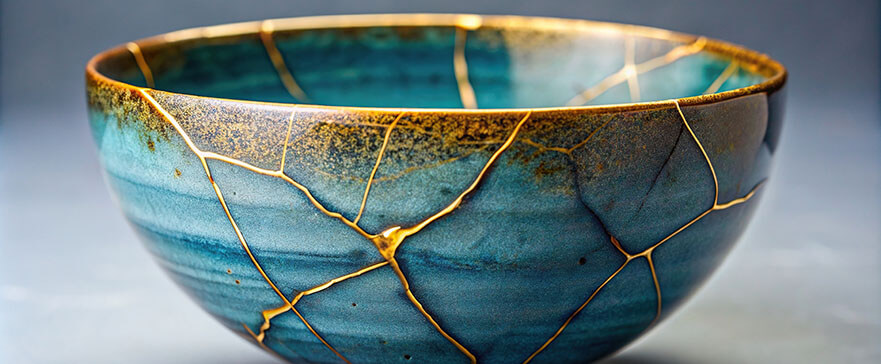
Kintsugi, the art of mending broken pottery with gold lacquer, offers profound metaphoric and philosophical lessons. Embracing the imperfections of the mended object, Kintsugi teaches acceptance and resilience, turning what once was broken into something more beautiful. For overthinkers, this technique exemplifies how perceived flaws are part of a unique narrative rather than imperfection.Engage in Kintsugi by applying the same principles to emotional or mental wounds. Acknowledge these "cracks" and envision them being filled with metaphorical gold. Practicing gratitude for the lessons learned helps shift focus from the anxiety of shortcomings to the beauty of growth. This acceptance disarms overthinking, inducing peace and introspection.
7. Minimalism
Minimalism is a lifestyle that promotes living with only what is necessary, thereby reducing distractions and focusing on what truly matters. The Japanese iteration of minimalism emphasizes simplicity and essence, which is an effective antidote to mental clutter associated with overthinking.Start your minimalist journey by decluttering physical spaces. Select items that genuinely add value and joy to your life. The practice of shedding surplus encourages introspection, rendering mental clarity. As the tangible sphere becomes more orderly, the mind follows suit, reducing tendencies to get ensnared in excessive thought patterns.
8. Sumi-e (Japanese Ink Painting)
Sumi-e is a form of Japanese ink painting characterized by simplicity, grace, and spontaneity. This art form embodies the concept of essentialism, focusing on the movement and spirit of the subject rather than intricate detail. For those challenged by overthinking, Sumi-e encourages freedom and acceptance of natural flow, offering relief from mental rigidity.To practice Sumi-e, gather essential materials: ink, brush, and rice paper. Begin with simple subjects, allowing natural imperfections to emerge. Embrace the strokes that reflect not only the physical subject but also the emotional and mental state at the moment. This practice nurtures a mindful state, drawing attention away from overthinking.
9. Tea Ceremony (Chanoyu)
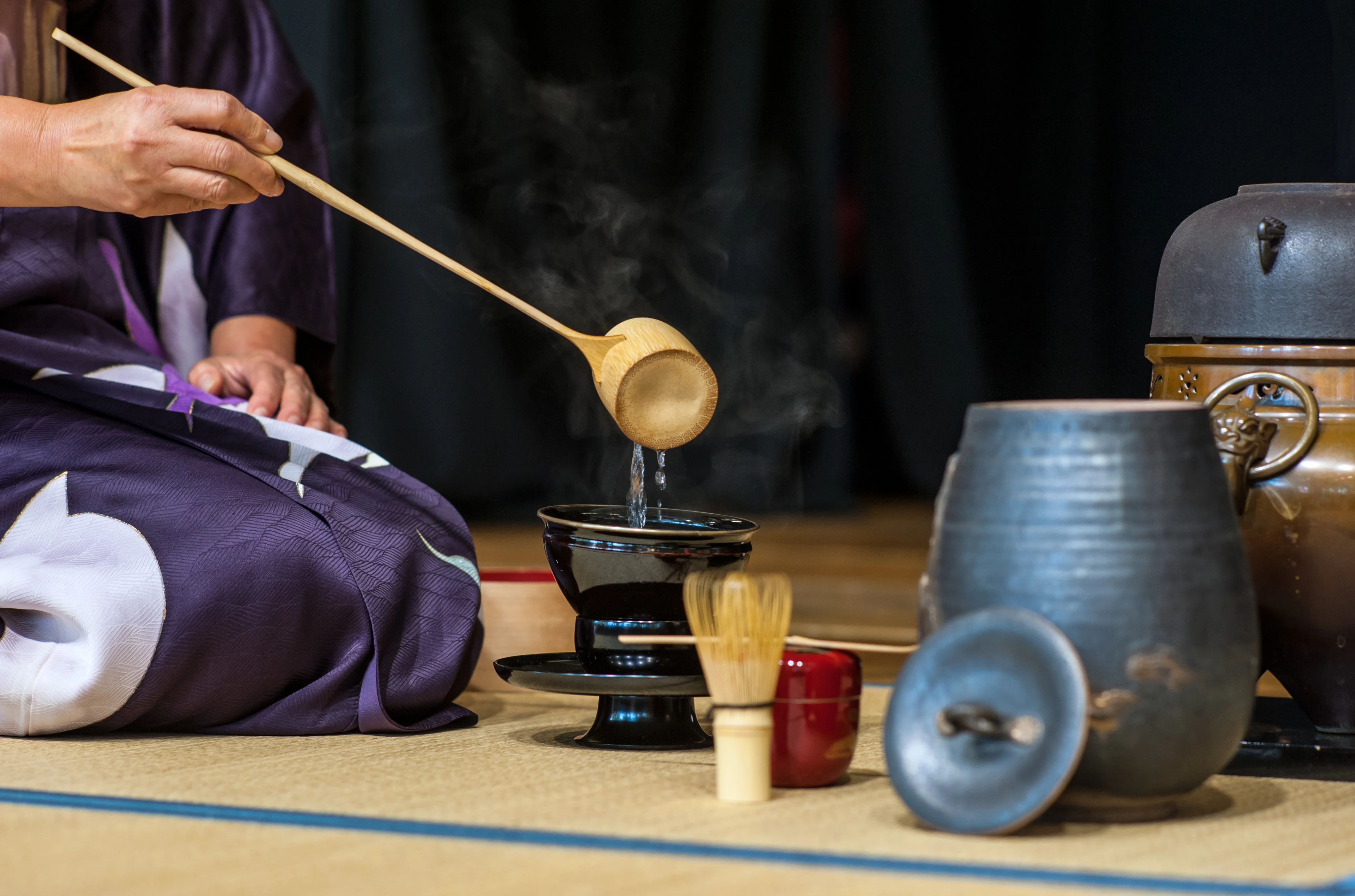
The Japanese tea ceremony, or Chanoyu, is an art form embodying tranquility, presence, and respect. Rooted in Zen philosophy, each step of the ceremony requires mindfulness, focusing the mind entirely on the present activity and detaching from distraction and overthinking.To practice a simplified tea ceremony, choose a quiet space and essential tea implements. Perform each step with deliberate slowness—from boiling water to whisking the powdered tea—and immerse yourself completely in the sensory experience. This ritual of precision and presence gently redirects the mind from chaotic thought processes, cultivating serenity.
Conclusion
Overthinking, when unchecked, can wither life's joyous possibilities. Japanese techniques, with their inherent elegance and simplicity, provide robust frameworks to harness mental wanderings. From the meditative serenity of Zazen to the acceptance found in Wabi-Sabi, these practices gently guide individuals toward mindfulness, purpose, and resilience. By integrating these techniques into our overactive minds, we forge paths toward a more balanced and harmonious existence.
Citations
- Batchelor, S. (2015). The Art of Solitude. Yale University Press.
- Juniper, A. (2003). Wabi-Sabi: The Japanese Art of Impermanence. Tuttle Publishing.
- Garcia, H., & Miralles, F. (2017). Ikigai: The Japanese Secret to a Long and Happy Life. Penguin Books.
- Miyazaki, Y. (2018). Shinrin Yoku: The Japanese Art of Forest Bathing. Timber Press.
- Maurer, R. (2014). One Small Step Can Change Your Life: The Kaizen Way. Workman Publishing Company.
- Kaku, J. (2019). Kintsugi Wellness: The Japanese Art of Nourishing Mind, Body, and Spirit. Harper Wave.
- Sasaki, F. (2017). Goodbye, Things: The New Japanese Minimalism. W. W. Norton & Company.
- Loehrer, D. (2016). The Zen of Japanese National Culture.
Quotes
- “Simplicity, serenity, and silence offer a retreat from the often cacophonous mental clamor, inviting a harmony that calms overthinking.” – Sylvia Plath
- “Beauty lies not in perfection but in embracing simplicity and acceptance of impermanence.” – Leonard Koren
- “True happiness is to enjoy the present,without anxious dependence upon the future.”–Seneca